
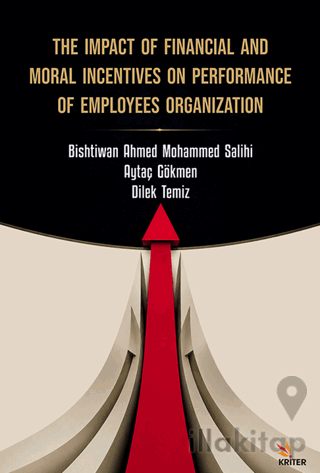
This study examines the effects of financial and moral incentives on employee performance within telecommunication organizations, focusing on Asiacell Company in Iraq.
The results indicate that a balanced incentive system integrating both financial and moral rewards generates higher levels of employee motivation, job satisfaction, and productivity compared to reliance on a single incentive type. Overall, the study concludes that while financial incentives are more effective in enhancing short-term performance, moral incentives—such as recognition, career development opportunities, and a supportive organizational culture—are essential for sustaining long-term employee engagement, loyalty, and innovation. Accordingly, the study recommends adopting a dual incentive strategy to strengthen sustainable performance and competitive advantage in the telecommunications sector.
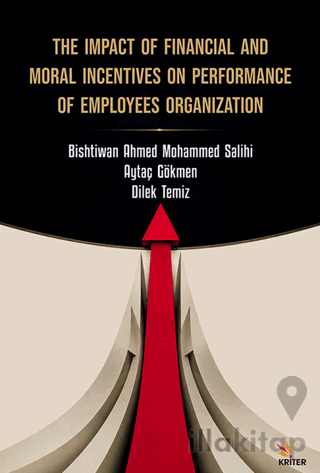
This study examines the effects of financial and moral incentives on employee performance within telecommunication organizations, focusing on Asiacell Company in Iraq.
The results indicate that a balanced incentive system integrating both financial and moral rewards generates higher levels of employee motivation, job satisfaction, and productivity compared to reliance on a single incentive type. Overall, the study concludes that while financial incentives are more effective in enhancing short-term performance, moral incentives—such as recognition, career development opportunities, and a supportive organizational culture—are essential for sustaining long-term employee engagement, loyalty, and innovation. Accordingly, the study recommends adopting a dual incentive strategy to strengthen sustainable performance and competitive advantage in the telecommunications sector.
| Taksit Sayısı | Taksit tutarı | Genel Toplam |
|---|---|---|
| Tek Çekim | 252,30 | 252,30 |
| 2 | 134,98 | 269,96 |
| 3 | 91,67 | 275,01 |
| 6 | 48,36 | 290,15 |
| 9 | 33,64 | 302,76 |
| 12 | 26,49 | 317,90 |
-
-
%13İNDİRİM350,00TL 304,50TL
-
-
-
%13İNDİRİM450,00TL 391,50TL
-
-
-
-
-