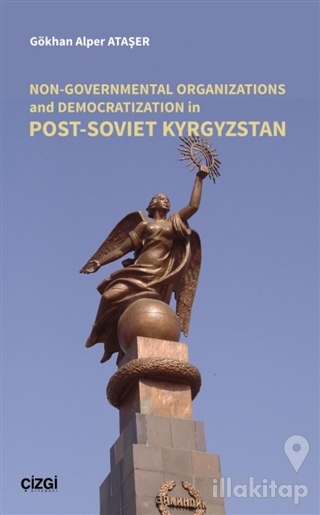
What is the relationship between civil society and democracy? How can civil society develop in societies with an authoritarian past? What are the implications of foreign assistance to civil society? These are some of the questions addressed in this book which puts Kyrgyzstan into the broader literature on civil society, democratization and post-communist transformations.
Democracy promotion through civil society development was a highly popular trend in the 1990s and early 2000s as a result of the so-called "ultimate victory of capitalism." However, hopes of establishing a democratic society in many Soviet successor states are long abandoned. What can we learn from the experience of civil society support for democratic transformation? This book puts these questions in the context of triple transition, and attempts to demonstrate the fragile nature of civil society in the absence of a well-functioning state and economy.
The lessons from the Kyrgyz example can help us rethink about the weakening of civil society and possible courses of action to establish a sustainable relationship between state and society today.
What is the relationship between civil society and democracy? How can civil society develop in societies with an authoritarian past? What are the implications of foreign assistance to civil society? These are some of the questions addressed in this book which puts Kyrgyzstan into the broader literature on civil society, democratization and post-communist transformations.
Democracy promotion through civil society development was a highly popular trend in the 1990s and early 2000s as a result of the so-called "ultimate victory of capitalism." However, hopes of establishing a democratic society in many Soviet successor states are long abandoned. What can we learn from the experience of civil society support for democratic transformation? This book puts these questions in the context of triple transition, and attempts to demonstrate the fragile nature of civil society in the absence of a well-functioning state and economy.
The lessons from the Kyrgyz example can help us rethink about the weakening of civil society and possible courses of action to establish a sustainable relationship between state and society today.
| Taksit Sayısı | Taksit tutarı | Genel Toplam |
|---|---|---|
| Tek Çekim | 238,00 | 238,00 |
| 2 | 127,33 | 254,66 |
| 3 | 86,47 | 259,42 |
| 6 | 45,62 | 273,70 |
| 9 | 31,73 | 285,60 |
| 12 | 24,99 | 299,88 |
-
%15İNDİRİM440,00TL 374,00TL

-
%15İNDİRİM420,00TL 357,00TL
-
-
-
-
-
-
-
-
-
%15İNDİRİM200,00TL 170,00TL