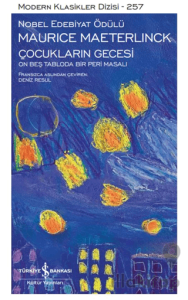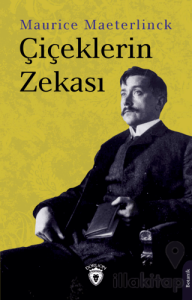
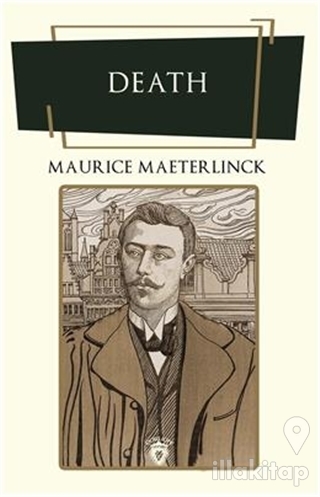
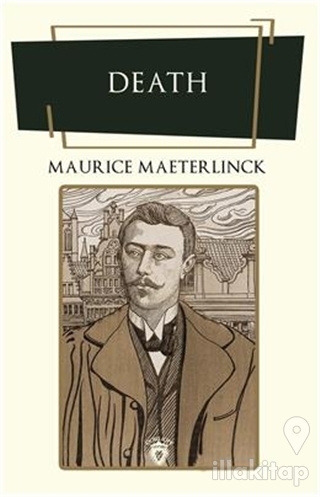
Maurice Polydore Marie Bernard Maeterlinck (29 August 1862 – 6 May 1949), also known as Count (or Comte) Maeterlinck from 1932, was a Belgian playwright, poet, and essayist who was Flemish but wrote in French. He was awarded the Nobel Prize in Literature in 1911 "in appreciation of his many-sided literary activities, and especially of his dramatic works, which are distinguished by a wealth of imagination and by a poetic fancy, which reveals, sometimes in the guise of a fairy tale, a deep inspiration, while in a mysterious way they appeal to the readers' own feelings and stimulate their imaginations". The main themes in his work are death and the meaning of life. He was a leading member of La Jeune Belgique group and his plays form an important part of the Symbolist movement.
Maurice Polydore Marie Bernard Maeterlinck (29 August 1862 – 6 May 1949), also known as Count (or Comte) Maeterlinck from 1932, was a Belgian playwright, poet, and essayist who was Flemish but wrote in French. He was awarded the Nobel Prize in Literature in 1911 "in appreciation of his many-sided literary activities, and especially of his dramatic works, which are distinguished by a wealth of imagination and by a poetic fancy, which reveals, sometimes in the guise of a fairy tale, a deep inspiration, while in a mysterious way they appeal to the readers' own feelings and stimulate their imaginations". The main themes in his work are death and the meaning of life. He was a leading member of La Jeune Belgique group and his plays form an important part of the Symbolist movement.
| Taksit Sayısı | Taksit tutarı | Genel Toplam |
|---|---|---|
| Tek Çekim | 121,80 | 121,80 |
| 2 | 65,16 | 130,33 |
| 3 | 44,25 | 132,76 |
| 6 | 23,35 | 140,07 |
| 9 | 16,24 | 146,16 |
| 12 | 12,79 | 153,47 |